

Biophilic Design in Nursing Homes: A Practical Guide
What research says about gardens, daylight and nature views for people with dementia, plus practical ways care home teams can bring nature closer.
16 November 2026 5 min read
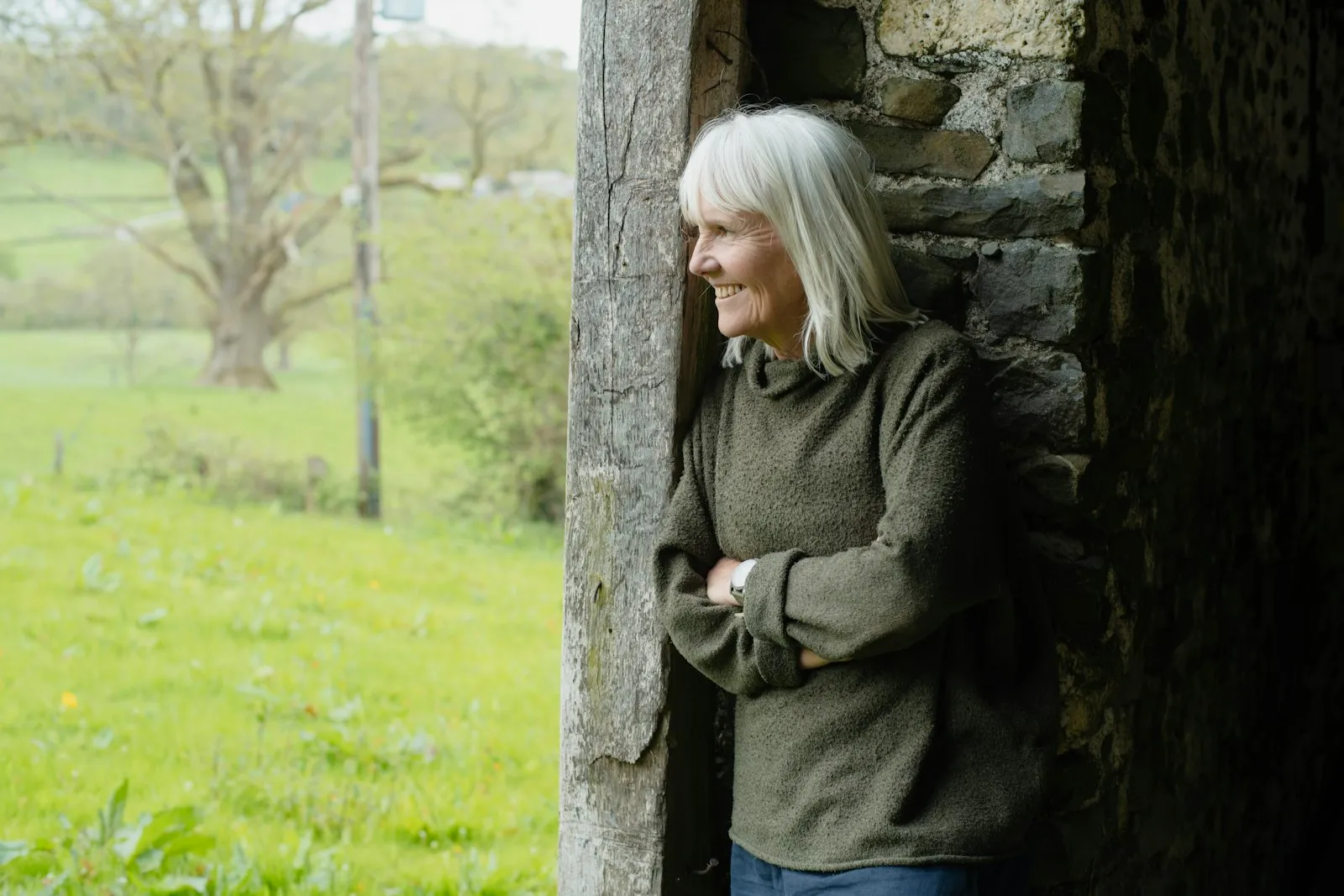
Biophilic design builds a connection to nature into a building: gardens, plants, daylight, views, natural sounds and scents. In the UK most people say "care home" rather than "nursing home", and this guide covers both. The research is encouraging but uneven. Here is what two recent reviews found, where the evidence is thin, and what a care home team can do without a rebuild.
What biophilic design means in a care home
A 2025 meta-analysis in Healthcare defines biophilic design as including direct experiences of nature, such as plants and gardens, and indirect ones, such as natural lighting or recorded nature sounds. The interventions it pooled included gardens (10 studies), scent-based elements (10), naturalistic lighting (7) and nature sounds (4). In everyday terms, a resident who can step outside safely, see trees from a chair and smell and touch plants is getting biophilic design, whether or not anyone uses the term.
What the research shows on agitation
The same meta-analysis pooled 29 studies with 733 participants and measured agitation in people with dementia. It found an average effect of g = −0.86 (95% confidence interval −1.15 to −0.57), which is conventionally described as a large reduction. Results varied a great deal between studies (an I² of 87%), so read the headline as an average rather than a promise.
Two details are useful for planning. Indoor interventions showed a larger effect (g = −1.00) than outdoor ones (g = −0.76), and the difference was statistically significant (p = 0.040). Interventions that included social interaction also did better (g = −0.99) than those delivered to individuals (g = −0.73), which suggests that doing something together may add to the effect. Only four of the 29 studies followed participants up afterwards, so how long the benefits last is unclear.
What the research shows on gardens
A 2023 systematic review in Frontiers in Psychiatry examined garden use by people with dementia. It covered 17 studies found by searching eight databases up to May 2022. The authors say the first studies "appear to suggest positive effects of garden use" on quality of life, behavioural and psychological symptoms, stress, sleep and mood. According to the review's summary, all six studies on quality of life and seven of the ten on behavioural and psychological symptoms reported improvements, and one study found that residents' pulse fell when they simply looked at a garden through an open door.
The authors are open about the limits: study methods varied widely and few reported effect sizes. A smaller UK study discussed in the review reported benefit from around 20 minutes outdoors, with the largest effect at 80 to 90 minutes. An earlier University of Exeter review of 17 pieces of research, reported by News-Medical in 2014, reached a similar conclusion: gardens can promote relaxation, encourage activity and reduce agitation.
Where the evidence is weaker
Light is the clearest example. A Cochrane review of 11 trials found insufficient evidence to justify bright light therapy for people with dementia. That is a clinical treatment using a bright light source, not the same thing as designing a home for daylight, but it is a reminder not to promise outcomes from lighting alone. Most of the supportive evidence is about gardens and short nature-based activities, and the strongest results come from studies that differ a lot in design.
Practical ways to bring nature closer
The King's Fund's Is your care home dementia friendly? tool (second edition, 2014) is an audit checklist rather than a research study, and it does not cite named studies. Its questions still make a practical starting list. It asks whether a home has:
- independent access to outside space, with sheltered seating;
- circular pathways;
- raised beds;
- good natural light, and low windows with views of nature;
- colourful, non-toxic planting;
- matt, even flooring.
Indoors, the meta-analysis shows what has been tried: plants, naturalistic lighting, nature sounds and natural scents. Our suggestion is to treat these as options to test rather than a package to buy.
Staff and culture matter as much as the layout
The garden review's authors recommend training and empowering staff and building garden use into the home's culture. They describe barriers that will be familiar to any care team: fear of risk leading to locked doors, winter weather and the culture of the home. A good garden behind a locked door does little. In practice that means planning outdoor time into the day rather than leaving it to chance.
Staff are central to this. You can browse senior care assistant jobs, read our career guides, or, if you are hiring, see our employer pages.
A simple way to start
Our suggestion: walk through the home with the six checks above, ideally with a resident or a relative. Pick one change you can make this month, such as a seat in a sheltered spot or a raised bed by a door. Note resident comments and any incidents of agitation before and after, so you have your own evidence as well as the research.
You can also browse current care jobs to see how employers describe activity and wellbeing roles.
Frequently asked questions
What is biophilic design in a care home? It builds a connection to nature into the building and the daily routine: gardens, plants, daylight, views, natural sounds and scents. A 2025 meta-analysis counts both direct experiences, such as gardens, and indirect ones, such as nature sounds.
Does biophilic design help people with dementia? The evidence is promising. That meta-analysis found a large average reduction in agitation (g = −0.86), though results varied widely and only four studies followed participants up afterwards.
Do gardens reduce agitation in care home residents? Reviews point that way. A 2023 review found early signs of benefit for quality of life and behaviour, and a 2014 University of Exeter review reached a similar conclusion. Study methods vary, so the evidence is not yet conclusive.
Does bright light help people with dementia? A Cochrane review of 11 trials found insufficient evidence to justify bright light therapy. Designing for daylight is a different matter and appears on the King's Fund checklist, but we did not find strong trial evidence for it.
How can a care home bring nature in without a rebuild? Start with the checklist above: outside access, sheltered seating, planting, views and light. Then train and support staff so the space is used.
Written by Kay Ismail, founder of workinsocialcare.com, who spent almost a decade working in UK social care.